Buy ondervloer.eu ?
We are moving the project
ondervloer.eu .
Are you interested in purchasing the domain
ondervloer.eu ?
domain@kv-gmbh.de · 0541-91531010
Buy ondervloer.eu ?
Why doesn't the dog wag its tail?
The dog may not be wagging its tail due to various reasons such as feeling anxious, scared, or unwell. It could also be a sign of discomfort or pain. Observing the dog's body language and behavior can help determine the underlying cause of why it is not wagging its tail. It is important to monitor the dog closely and consult a veterinarian if the behavior persists or if there are other concerning symptoms present. **
Can the cat not wag its tail?
No, the cat cannot wag its tail. Cats are not able to wag their tails in the same way that dogs can. Cats use their tails for balance and communication, but they do not have the same range of motion in their tails as dogs do. **

Similar search terms for Wag
Top-Angebote
Products related to Wag:
-
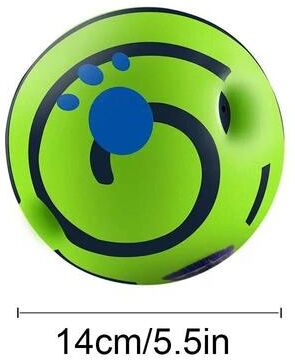
Uplifted Finds Dog Wobble Wag Giggle Ball Toys For Pets 14 CmKeep your pet engaged and entertained with this Dog Wobble Wag Giggle Ball. It emits giggle sounds when rolled or shaken, encouraging playful interaction and stimulates your dogs hunting instincts. Durable, fun, and easy to clean, its perfect for...87,97 $*Shipping: 0,00 $Secure redirect to the provider
-
UK Furnishing UK Ltd 3mm Silver Wood Flooring & Laminate Underlay Foil Damp Proof Membrane Moisture Barrier Underlayment For Covers 15SQM(1 x Rolls)The 3mm Silver Underlay is a reliable and cost-effective solution designed to enhance the comfort, durability, and acoustic performance of your flooring. Suitable for floating floor installations, this lightweight yet resilient underlay provides excellent support while helping to reduce noise transfer between rooms. Manufactured with a density of 20kg/m³, it delivers strong compression resistance of 70kPa, ensuring long-lasting performance under everyday foot traffic. The integrated silver layer offers effective moisture resistance with water absorption below 0.1%, helping to protect your flooring from dampness and condensation. This underlay also improves sound insulation, achieving IIC 56dB, STC 55dB, and 19dB impact noise reduction, making it ideal for both residential and light commercial environments. Designed to perform in extreme conditions, it operates efficiently within a temperature range of -30°C to +40°C. Thickness: 3.0mm, Basic Material: PE Foam, Coating: Aluminium Foil, Density: 20 kg/m³, Package: packed with PE bag, DB Rating (Noise Reduction): 19 dB, Fitting System: Floating, Uses: Bathroom , Bedroom , Dining , Kitchen , Lounge. Excellent Acoustic Performance – Reduces impact noise for a quieter, more comfortable living environment.. High Compression Strength – Maintains shape and support under daily foot traffic for long-term durability.. Moisture-Resistant Silver Layer – Protects flooring from dampness, condensation, and minor spills.. Ideal for Floating Floors – Designed specifically for laminate and other floating floor installations.. Brand Name: UK Furnishing UK Ltd. Size: Covers 15SQM(1 x Rolls)44,99 £*Shipping: 4,99 £Secure redirect to the provider
-
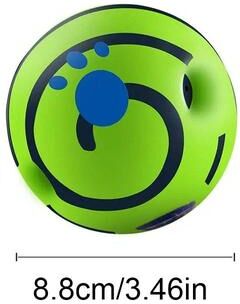
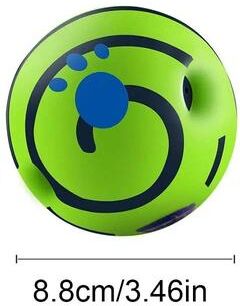
Uplifted Finds Interactive Wobble Wag Giggle Ball Pet Toy 8.8 Cm"Keep your dog active and entertained with this interactive giggle ball that makes fun, engaging sounds every time it moves. Designed to grab your pets attention without the need for batteries, this toy uses internal tubes to produce unique ""giggle""..."34,97 $*Shipping: 0,00 $Secure redirect to the provider
-
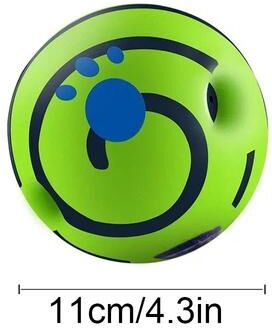
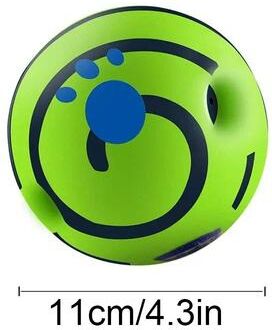
Uplifted Finds Interactive Wobble Wag Giggle Ball Pet Toy 11 Cm"Keep your dog active and entertained with this interactive giggle ball that makes fun, engaging sounds every time it moves. Designed to grab your pets attention without the need for batteries, this toy uses internal tubes to produce unique ""giggle""..."44,97 $*Shipping: 0,00 $Secure redirect to the provider


-
How does the duck wag its head?
The duck wags its head by moving it from side to side in a quick and jerky motion. This movement is often accompanied by the duck's quacking sound, creating a distinctive and charming behavior. The head wagging is a way for ducks to communicate with each other and can also be a sign of excitement or curiosity. It's a unique and endearing behavior that adds to the charm of these waterfowl. **
-
Why does a cat's tail tremble and wag?
A cat's tail may tremble and wag as a form of communication. When a cat's tail is trembling, it could indicate excitement or anticipation. On the other hand, when a cat's tail is wagging, it may signal agitation or annoyance. Understanding a cat's body language, including their tail movements, can help us better interpret their emotions and respond accordingly. **
-
Does the tip of the cat's tail wag?
Yes, the tip of a cat's tail can wag. When a cat is feeling playful or excited, they may wag the tip of their tail as a sign of their mood. However, it's important to pay attention to the overall body language of the cat to understand the context of the tail wagging, as it can also indicate agitation or aggression in some situations. **
-
Why does the cat's tail tremble and wag?
A cat's tail may tremble and wag as a form of communication. When a cat's tail is trembling, it can indicate excitement or anticipation. On the other hand, when a cat's tail is wagging, it can signal playfulness or agitation. These tail movements are a way for cats to express their emotions and intentions to those around them. **
Why does my cat constantly wag its tail?
Cats wag their tails as a form of communication. If your cat is constantly wagging its tail, it could be a sign of agitation, excitement, or even aggression. It's important to pay attention to other body language cues and the context in which the tail wagging is happening to better understand what your cat is trying to communicate. If you notice your cat wagging its tail frequently, it may be a good idea to consult with a veterinarian or animal behaviorist to address any underlying issues. **
Why does my male cat constantly wag his tail?
Your male cat may be constantly wagging his tail as a sign of agitation, irritation, or excitement. Cats use their tails to communicate their emotions, and constant wagging could indicate that he is feeling stressed or overstimulated. It's important to pay attention to other body language and behavior to understand the context of the tail wagging. If you notice any other signs of distress, it may be helpful to consult with a veterinarian or animal behaviorist to address the underlying cause. **
Top-Angebote
Products related to Wag:
-
Uplifted Finds Interactive Wobble Wag Giggle Ball Pet Toy 14 Cm"Keep your dog active and entertained with this interactive giggle ball that makes fun, engaging sounds every time it moves. Designed to grab your pets attention without the need for batteries, this toy uses internal tubes to produce unique ""giggle""..."59,97 $*Shipping: 0,00 $Secure redirect to the provider
-
Uplift Essentials Wobble Wag Giggle The Ultimate Interactive Attention Toy 3.5 In"Engage your pets curiosity and keep them active for hours with the Wobble Wag Giggle Ball. This worldfamous ""As Seen On TV"" toy is the definitive solution for getting dog attention, utilizing unique internal sound tubes that emit a playful,..."34,97 $*Shipping: 0,00 $Secure redirect to the provider
-
Uplifted Finds Dog Wobble Wag Giggle Ball Toys For Pets 14 CmKeep your pet engaged and entertained with this Dog Wobble Wag Giggle Ball. It emits giggle sounds when rolled or shaken, encouraging playful interaction and stimulates your dogs hunting instincts. Durable, fun, and easy to clean, its perfect for...87,97 $*Shipping: 0,00 $Secure redirect to the provider
-
UK Furnishing UK Ltd 3mm Silver Wood Flooring & Laminate Underlay Foil Damp Proof Membrane Moisture Barrier Underlayment For Covers 15SQM(1 x Rolls)The 3mm Silver Underlay is a reliable and cost-effective solution designed to enhance the comfort, durability, and acoustic performance of your flooring. Suitable for floating floor installations, this lightweight yet resilient underlay provides excellent support while helping to reduce noise transfer between rooms. Manufactured with a density of 20kg/m³, it delivers strong compression resistance of 70kPa, ensuring long-lasting performance under everyday foot traffic. The integrated silver layer offers effective moisture resistance with water absorption below 0.1%, helping to protect your flooring from dampness and condensation. This underlay also improves sound insulation, achieving IIC 56dB, STC 55dB, and 19dB impact noise reduction, making it ideal for both residential and light commercial environments. Designed to perform in extreme conditions, it operates efficiently within a temperature range of -30°C to +40°C. Thickness: 3.0mm, Basic Material: PE Foam, Coating: Aluminium Foil, Density: 20 kg/m³, Package: packed with PE bag, DB Rating (Noise Reduction): 19 dB, Fitting System: Floating, Uses: Bathroom , Bedroom , Dining , Kitchen , Lounge. Excellent Acoustic Performance – Reduces impact noise for a quieter, more comfortable living environment.. High Compression Strength – Maintains shape and support under daily foot traffic for long-term durability.. Moisture-Resistant Silver Layer – Protects flooring from dampness, condensation, and minor spills.. Ideal for Floating Floors – Designed specifically for laminate and other floating floor installations.. Brand Name: UK Furnishing UK Ltd. Size: Covers 15SQM(1 x Rolls)44,99 £*Shipping: 4,99 £Secure redirect to the provider
-
Why doesn't the dog wag its tail?
The dog may not be wagging its tail due to various reasons such as feeling anxious, scared, or unwell. It could also be a sign of discomfort or pain. Observing the dog's body language and behavior can help determine the underlying cause of why it is not wagging its tail. It is important to monitor the dog closely and consult a veterinarian if the behavior persists or if there are other concerning symptoms present. **
-
Can the cat not wag its tail?
No, the cat cannot wag its tail. Cats are not able to wag their tails in the same way that dogs can. Cats use their tails for balance and communication, but they do not have the same range of motion in their tails as dogs do. **
-
How does the duck wag its head?
The duck wags its head by moving it from side to side in a quick and jerky motion. This movement is often accompanied by the duck's quacking sound, creating a distinctive and charming behavior. The head wagging is a way for ducks to communicate with each other and can also be a sign of excitement or curiosity. It's a unique and endearing behavior that adds to the charm of these waterfowl. **
-
Why does a cat's tail tremble and wag?
A cat's tail may tremble and wag as a form of communication. When a cat's tail is trembling, it could indicate excitement or anticipation. On the other hand, when a cat's tail is wagging, it may signal agitation or annoyance. Understanding a cat's body language, including their tail movements, can help us better interpret their emotions and respond accordingly. **
Similar search terms for Wag
-
Uplifted Finds Interactive Wobble Wag Giggle Ball Pet Toy 8.8 Cm"Keep your dog active and entertained with this interactive giggle ball that makes fun, engaging sounds every time it moves. Designed to grab your pets attention without the need for batteries, this toy uses internal tubes to produce unique ""giggle""..."34,97 $*Shipping: 0,00 $Secure redirect to the provider
-
Uplifted Finds Interactive Wobble Wag Giggle Ball Pet Toy 11 Cm"Keep your dog active and entertained with this interactive giggle ball that makes fun, engaging sounds every time it moves. Designed to grab your pets attention without the need for batteries, this toy uses internal tubes to produce unique ""giggle""..."44,97 $*Shipping: 0,00 $Secure redirect to the provider
-
Uplift Essentials Wobble Wag Giggle The Ultimate Interactive Attention Toy 4.3 In"Engage your pets curiosity and keep them active for hours with the Wobble Wag Giggle Ball. This worldfamous ""As Seen On TV"" toy is the definitive solution for getting dog attention, utilizing unique internal sound tubes that emit a playful,..."42,97 $*Shipping: 0,00 $Secure redirect to the provider
-
Uplifted Finds Dog Wobble Wag Giggle Ball Toys For Pets 8.8 CmKeep your pet engaged and entertained with this Dog Wobble Wag Giggle Ball. It emits giggle sounds when rolled or shaken, encouraging playful interaction and stimulates your dogs hunting instincts. Durable, fun, and easy to clean, its perfect for...67,97 $*Shipping: 0,00 $Secure redirect to the provider
-
Does the tip of the cat's tail wag?
Yes, the tip of a cat's tail can wag. When a cat is feeling playful or excited, they may wag the tip of their tail as a sign of their mood. However, it's important to pay attention to the overall body language of the cat to understand the context of the tail wagging, as it can also indicate agitation or aggression in some situations. **
-
Why does the cat's tail tremble and wag?
A cat's tail may tremble and wag as a form of communication. When a cat's tail is trembling, it can indicate excitement or anticipation. On the other hand, when a cat's tail is wagging, it can signal playfulness or agitation. These tail movements are a way for cats to express their emotions and intentions to those around them. **
-
Why does my cat constantly wag its tail?
Cats wag their tails as a form of communication. If your cat is constantly wagging its tail, it could be a sign of agitation, excitement, or even aggression. It's important to pay attention to other body language cues and the context in which the tail wagging is happening to better understand what your cat is trying to communicate. If you notice your cat wagging its tail frequently, it may be a good idea to consult with a veterinarian or animal behaviorist to address any underlying issues. **
-
Why does my male cat constantly wag his tail?
Your male cat may be constantly wagging his tail as a sign of agitation, irritation, or excitement. Cats use their tails to communicate their emotions, and constant wagging could indicate that he is feeling stressed or overstimulated. It's important to pay attention to other body language and behavior to understand the context of the tail wagging. If you notice any other signs of distress, it may be helpful to consult with a veterinarian or animal behaviorist to address the underlying cause. **
* All prices are inclusive of VAT and, if applicable, plus shipping costs. The offer information is based on the details provided by the respective shop and is updated through automated processes. Real-time updates do not occur, so deviations can occur in individual cases. ** Note: Parts of this content were created by AI.